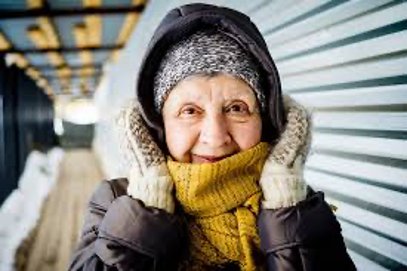
Cold weather safety tips for Seniors
After a challenging few months, we’re hopefully seeing an end to the COVID-19 outbreak in Australia. However, this doesn’t mean it’s time to stop being extra vigilant about our health. With winter here, it’s more important than ever to take care of ourselves and the people around us.
The flu
Seniors should be especially careful during flu season because, as people age, it becomes more difficult for their immune systems to fight the virus. Older adults are also more vulnerable to potential complications from the flu, especially respiratory issues like pneumonia.
If you haven’t already, get your 2020 influenza shot. This will not only reduce the risk of getting the flu but can also reduce the severity and length of the symptoms. If you do find you’re exhibiting symptoms of the flu, be sure to get tested to rule out COVID-19. After all, it’s always better to be safe than sorry!
Prevent Hypothermia
As we age, the metabolic processes that regulate body temperature slow down. This means seniors have a much higher risk of getting hypothermia, even when the temperatures outside don’t feel freezing. Generally, seniors and cold weather can be a dangerous mix. Various published reports show that older adults have an elevated risk of cold-related death. Those aged 75 and older are particularly susceptible to cold weather because they tend to have less body fat, less efficient circulation, and a slower metabolism. Certain medical conditions and medications can also affect an elder’s ability to regulate body temperature.
It is possible for a senior to become hypothermic indoors, so the thermostat should never be set below 65 centigrade for a person who is 75 or older. Make sure that your loved one is warmly dressed when inside the house as well as outside. Don’t stay immobile for very long — keep the blood flowing!
Stay Hydrated
Seniors are especially prone to dehydration because they tend to eat and drink less than younger people, thus they consume less water. In general, people feel less thirsty during the winter and do not drink as much as they should. Cold, dry air also contributes to moisture loss, so make sure your elderly loved one is drinking consistently. Signs of dehydration in seniors include infrequent urination, dark urine, dizziness, and confusion. Monitoring water intake can be an easy way to guarantee they are getting enough fluids.
To help keep the body of hydrated, make sure you or your older loved one is sipping plenty of water throughout the day. Also keep in mind that caffeinated beverages like coffee or black tea are diuretics, so they can make the body more dehydrated and don’t count towards liquid intake.
Be Smart About Space Heaters
While these devices can provide much-needed warmth during the colder months, precautions must be taken so these sources of heat don’t become health hazards. If seniors use electric heaters, inspect all power cords for fraying and get rid of any damaged devices. Keep all heaters away from flammable materials, such as cloth and paper, and make sure to regularly test and place new batteries in all smoke detectors and carbon monoxide detectors.
Dress Appropriately
Gloves, scarves, jumpers, hats, and coats are a few must-have articles of clothing for seniors living in colder climates. Even when an elderly person is indoors, they should be dressed in warm, comfortable layers so they can take items off if they are too hot or put more on if they are too cold. Older adults tend to catch chills easily, so warm socks, closed-back slippers with slip-resistant soles, and cosy throw blankets are ideal.
Use Electric Blankets with Caution
Electric blankets can keep seniors warm, but they must be used very carefully to avoid burns, electric shocks, and even fires. Any electric blankets or mattress pads that are more than a few years old may need to be replaced. The coils inside the fabric as well as the power cords and controls can get damaged over time, increasing the risk of accident or injury. Look for a model that has an automatic shutoff feature and be sure to use and store electric blankets responsibly. Those with poor circulation and nerve damage should use extreme caution when using heated blankets to avoid thermal burns or refrain from using them altogether.
By following these simple tips, you can help make sure you or your older loved one has a lovely and safe winter!