
Importance of Proteins for Seniors
Importance of Proteins for Seniors
What is protein?
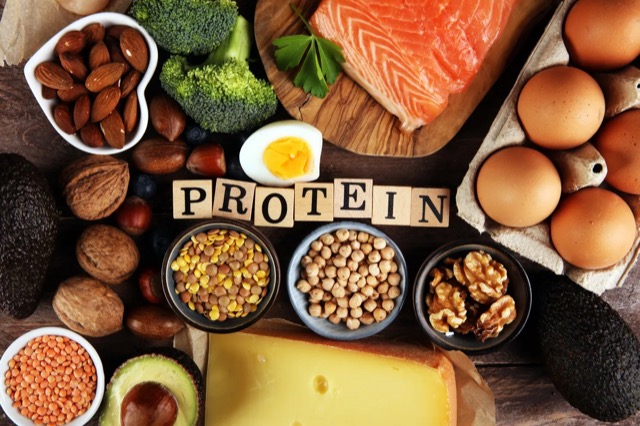
Protein is one of the foundational nutrients that make up our bodies. Every cell relies on protein to function including muscle, bones, internal organs as well as skin, hair and even nails. Protein in the form of animal or plant sources such as eggs, nuts, dairy, meat and legumes for example, is essential for healing, building and repairing cells and body tissue, especially as we age.
Why do seniors need to eat more protein?
As we get older, our bodies require roughly 50% more protein than a younger adult, to better preserve healthy muscle mass and strength, to maintain a high functioning quality of life. By consuming protein and having a sufficient amount of it in our diet, also helps to increase the body’s immune functions, while at the same time reducing recovery times from illness, as well as helps balance hormones. Without it, our bodies start to break down muscle mass, and we gradually start losing bone strength, which slowly strips away the protection a high protein diet can provide.
Maintaining our nutritional reserves as we age will have an impact on how we function – from getting in and out of a chair, doing things like gardening, or playing with our grandchildren. Even simple tasks like getting in and out of the shower or bath, are made easier with healthy, strong muscles and bones, along with a protein rich diet.
DISCLAIMER: This article contains general information about health issues and is not advice. For health advice, consult a medical professional.